
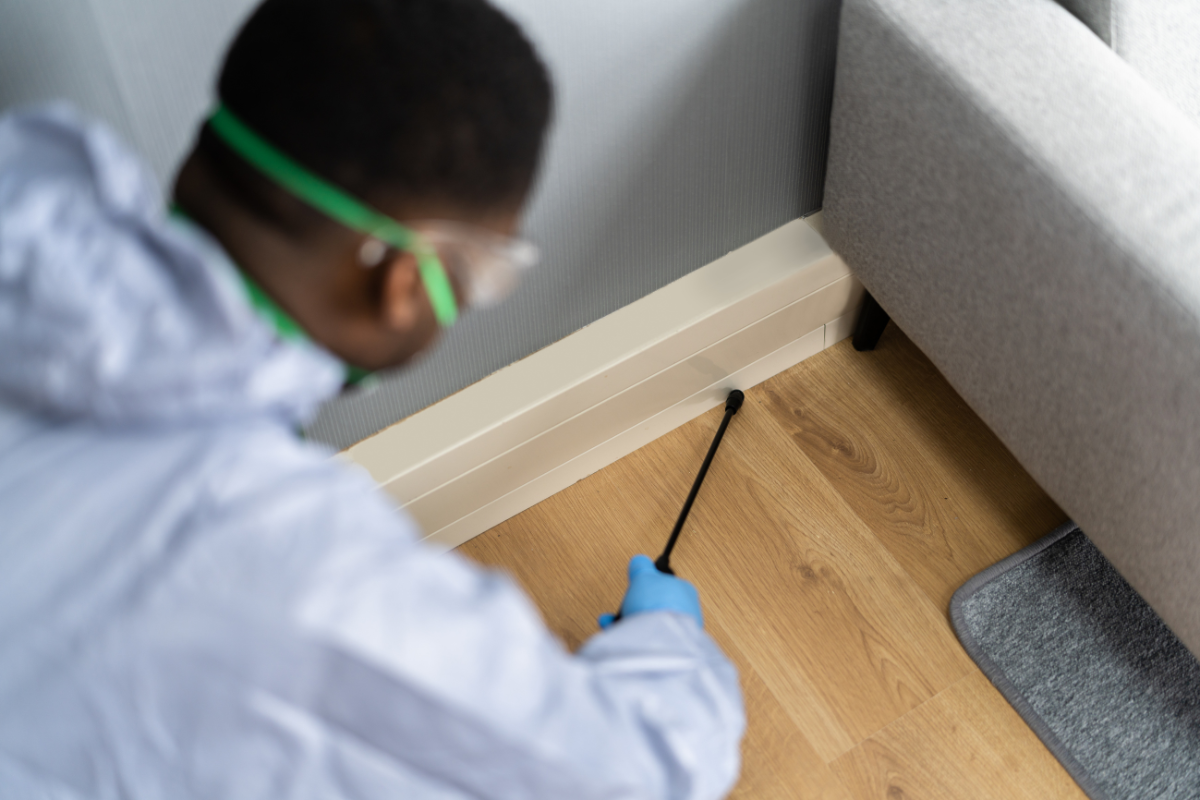

Termites are quiet and methodical. By the time most homeowners notice soft baseboards or blistered paint, a colony has likely been feeding for months. After the inspection, treatment pitches tend to sound similar: high‑confidence chemistry, trained technicians, satisfied customers. The real separator shows up in the paperwork that follows. A warranty tells you who pays if termites return, how quickly help arrives, and what strings are attached. It is less glamorous than new bait stations or a drill‑and‑rod rig, but over the life of a home, it often matters more.
I have negotiated, reviewed, and used https://simonmrhz843.almoheet-travel.com/termite-pest-control-for-garden-structures-and-pergolas hundreds of termite warranties on behalf of owners and property managers. The good ones read clearly and behave predictably when stress‑tested. The weak ones hint at protection then evaporate in exclusions. The differences are more than legal phrasing. They reflect the company’s business model, their risk tolerance, and their confidence in their technicians. Understanding those levers will help you pick a termite treatment company whose promises are worth more than their letterhead.
Why this comparison matters
Termite treatment services are not a one‑and‑done purchase. Soil termiticides degrade over time. Bait stations need ongoing service. New plumbing penetrations or landscaping changes can breach treated zones. If homeowners change mulch depths or install French drains, conditions shift again. The warranty is the bridge between the initial treatment and all the things life throws at a structure over the next years. It defines accountability when a colony finds a way back in, and it turns a one‑day job into a relationship.
Most people focus on the top line: “We guarantee our work for X years.” The catch lies in the verbs. Does the company retreat infested areas only, or do they retreat the entire structure? Do they repair wood damage, or just exterminate the current activity? Does the warranty transfer to a buyer at closing? Are there annual fees that creep upward? When a swarm emerges on a rainy morning, how fast will they come? These are not fine points. In a claim scenario, they define the outcome.
The main shapes of termite warranties, decoded
If you stack ten major termite providers’ agreements side by side, you will see variations on a few core warranty archetypes. The labels change, but the function is consistent.
A re‑treatment warranty is the most common. If termites return, the company will provide additional treatment at no extra charge for a defined period. This might include localized drilling and injection, additional bait placements, or trenching along active zones. You pay nothing for the service call, labor, and materials. You pay for anything else that comes with termites, such as repairing window casings or subfloor joists. These are usually paired with an annual renewal fee, due after a free first year or two.
A damage‑repair warranty is the premium version. In addition to re‑treatment, the company pays for repairs of new termite damage discovered during the warranty term, subject to a cap. The cap can be surprisingly large, often 100,000 dollars, but the fine print in how damage is defined and dated matters more than the headline number. Proof of continuous coverage and compliance with conditions is critical. Some providers require inspections at specific intervals and deny claims if you miss them.
A lifetime or renewable warranty sounds expansive. In practice, it means the warranty does not expire as long as you pay the annual renewal and do not violate conditions. The renewals often escalate over time. The coverage inside that lifetime shell can be re‑treatment only, or it can include damage repair. Vet both the internal coverage type and the renewal rules.
A limited area or spot treatment warranty applies when a company treats only a discrete portion of the structure. For example, a drywood termite gallery in a door frame might be treated with foam injections and covered for that location only. These warranties can be legitimate for isolated issues, but they do not protect the rest of the building. For subterranean termite extermination scenarios, a whole‑structure warranty is usually worth the upfront premium.
How major providers typically position their warranties
Brand names vary by region, and their exact terms change. Instead of pretending there is a single national truth, I will outline established patterns I have seen across top players in the termite pest control market. Always request the current sample contract in writing before you sign, and read the exclusions.
Large national companies often lead with strong re‑treatment warranties and offer an upgrade tier for damage repair. Their pitch emphasizes size and claims resources. In practice, this can mean fast dispatch during swarm season and the budget to honor legitimate claims. The trade‑off is rigidity. National templates leave less room for local managers to flex when an edge case arises. Renewal fees are professionally managed and tend to rise in small annual steps. Transferability at home sale is usually included but may require a processing step at closing.
Regional leaders sometimes compete on flexibility. I have seen regional firms pair a robust soil treatment with a generous damage‑repair warranty that starts on day one, without a waiting period, because they trust their pretreatment wood repair standards. They might offer lower annual renewal increases if you bundle other services, like general pest or mosquito. The risk is variance. Two branches under the same regional brand can interpret gray areas differently, especially around whether damage is new or pre‑existing.
Independent specialists can deliver excellent value. Some use the same active ingredients as the big players, operate with low overhead, and pass savings to homeowners. Their warranties, while shorter on marketing polish, can be more straightforward. If you know the owner’s cell number, you tend to get attention quickly. The weak spot is depth. If a key technician leaves or the firm changes hands, your warranty may be only as strong as the paper it is printed on. Confirm what happens if they sell the business.
Fumigation‑focused companies for drywood termites usually provide a re‑infestation warranty limited to a set number of years and to drywood species only. They will treat any new discoveries with localized methods during the warranty period. Damage repair is rare in this niche. The longevity of protection depends on your home’s exposure and whether you follow post‑fumigation maintenance.
What the exclusions really mean
Every termite warranty has a list of conditions that void or limit coverage. People shrug at those pages, then discover they matter most when filing a claim. Here are the exclusions that show up repeatedly, and how to live with them.
Moisture conditions and structural gaps are the number one denial basis. Active leaks, chronic condensation under HVAC air handlers, unvented crawlspaces with humidity near the dew point, or earth‑to‑wood contact at deck posts are all loopholes termites exploit. Warranties often require you to correct such conditions within a set period after the inspection. Document the fix with dated photos and receipts. If you cannot correct it, negotiate a rider that acknowledges the risk and keeps other areas covered.
Landscaping and soil changes can break treated barriers. New irrigation lines, french drains, aggressive aeration, and added soil or mulch above the foundation weep holes are classic examples. Most agreements exclude retreatment for areas where you disturbed the soil, unless you notify them and pay for a touch‑up. If you plan a yard project, call your termite treatment company first. The good ones will map the treated zones and coach you through safe trench depths.
Unknown pre‑existing damage is the biggest source of conflict in damage‑repair warranties. Companies will repair new damage that clearly occurred after their initial treatment. If a sill plate crumbles and the wood shows long‑term mud staining, they may argue it pre‑dated coverage. The best defense is a thorough baseline. Ask for your initial inspection report with photos of key structural elements: sills, band joists, bathroom subfloors, garage door frames, and chimney chases. If they did not photograph it, you should.
Attached structures are often carved out. Detached sheds, fences, mailbox posts, and some decks do not fall under the primary structure’s warranty unless added by rider. Garages typically count, but check townhouses with party walls, crawlspace additions that tie into older foundations, and room additions on piers. Complex footprints create gray zones. Get those spelled out in an addendum.
Non‑termite wood pests can be excluded silently. Powderpost beetles, carpenter ants, and wood decay fungi cause different damage signatures and require different treatment. A termite warranty will not cover them unless your contract specifically says so. During inspection, ask the technician to identify any non‑termite risks and propose separate plans if needed.
The awkward question of damage‑repair caps
Damage‑repair warranties often advertise a high aggregate cap. It sounds like a blank check, but caps rarely drive outcomes. The tight variables are causation and scope. For a claim to trigger, the company must agree that live termite activity occurred during the coverage period and that resulting damage is “new.” Then, they will approve repair methods and vendors. If you want to use your preferred contractor, confirm whether the warranty allows reimbursement or requires company‑appointed crews.
I have seen caps between 50,000 and 250,000 dollars. In single‑family homes, actual repairs usually fall below 15,000 dollars, unless the infestation has been active for years or reaches structural members around baths and kitchens. The cap matters more in multifamily buildings or historic homes with complex trim and plaster. Also check whether the cap is per incident or lifetime aggregate, and whether it resets when you renew.
How renewal fees and inspections shape real costs
A re‑treatment warranty can look inexpensive up front then grow expensive through renewals. Most companies include one year of coverage in the initial price, then charge annually to keep it active. In my files, renewals fall into two bands. For bait systems with routine monitoring, fees range from 250 to 450 dollars per year for a typical suburban home. For liquid perimeter treatments monitored annually, 150 to 300 dollars is common. Large or complex structures sit above those bands.
Three patterns to watch:
- Escalation schedule. Some contracts state that renewal fees “may increase,” a vague phrase that invites surprise. Others tie increases to an index or cap them to a percentage per year. Negotiate this up front while you still have leverage. Inspection cadence and access. If you miss the annual inspection because you were traveling, some warranties lapse automatically. Ask for a grace period. If you have a crawlspace with a child‑proof lock or a tenant who needs notice, arrange access protocols in writing. Bundling incentives. If you bundle termite pest control with general pest or wildlife services, ask whether the termite renewal gets a predictable discount for the term of the bundle, not just year one.
A bait system requires more service labor than a soil termiticide that has already been applied, so the higher renewal fee for bait is not a red flag. The choice between them should rest on construction type, soil conditions, water exposure, and your appetite for ongoing visits, not on renewal cost alone.
Treatment method and warranty, matched to your structure
Different buildings benefit from different termite removal strategies. A tight slab‑on‑grade with minimal landscaping often favors a liquid termiticide perimeter and a re‑treatment warranty. A split‑level with chronic wet soil along a rear wall might push you toward a hybrid plan, liquid along the drier zones and bait where trenching would flood or undercut the foundation. Elevated coastal homes with abundant airflow under the structure can do well with bait, since soil stability is inconsistent and piping penetrations are many.
If you own a 1920s pier‑and‑beam bungalow with a maze of plumbing in crawlspace and multiple additions, a damage‑repair warranty carries more value. The cost to open and sister joists, replace subfloor around old cast iron, and restore tile is real. On the other hand, if you manage a portfolio of rental townhomes with concrete slabs and accessible perimeters, a re‑treatment warranty with disciplined annual inspections delivers strong value without paying for repair coverage that is unlikely to be used.
Drywood termite scenarios differ. In the Southeast and parts of the West, fumigation remains a go‑to option for widespread drywood colonies. Fumigation warranties tend to be shorter, often two to three years, and cover re‑infestation treatments rather than repairs. If your home is exposed to frequent airborne swarms, plan for preventive maintenance after the warranty ends, such as periodic wood inspections and localized treatments where evidence appears.
Claims handling reveals the culture
Paper promises meet reality when you place a call that begins, “I think I have termites again.” I encourage clients to test a provider’s customer service before they sign. Call the main number during peak swarm season and see how long you wait. Send a basic question by email and clock the response. Ask how they differentiate a “service call” from a “claim,” and whether the same team handles both.
In the field, claims hinge on three practical moves. First, documentation. Save your inspection reports, treatment diagrams, photos, and renewal invoices in one folder. Second, calm triage. When you see pellets or frass, or soft wood, do not tear into walls immediately. Call your termite treatment company, describe what you see, and let them observe conditions before you disturb evidence. Third, access. Clear clutter away from suspect baseboards, move appliances if safe, and create walkway space in tight attics or crawlspaces. The faster a technician can inspect, the sooner your case moves forward.
Large companies often have a centralized claims process with set timelines and forms. The upside is consistency and clear communication. The downside is less flexibility when evidence is ambiguous. Smaller firms rely more on field manager judgment. That can benefit you if you maintain a relationship and the manager knows your property history, though it can also cut against you if documentation is thin.
Reading the warranty like a pro
I have settled on a short checklist that separates strong agreements from weak ones and avoids the most common surprises.
- What exactly triggers coverage? Look for language tied to “live termite activity” verified by the company, not just vague “evidence of infestation.” Specific triggers lead to faster decisions. What is the scope of the remedy? The best re‑treatment warranties commit to treating the entire structure if activity is confirmed, not only the localized area. For damage‑repair, look for the company’s duty to restore to “pre‑loss condition using materials of like kind and quality,” which guards against cheap patches. How are renewals governed? A transparent schedule, clear inspection requirements, and a defined process for escalation protect your budget. What are the exclusions and how are they cured? A warranty that states exactly how to fix a condition and remain eligible is superior to one that says “at the company’s discretion.” Is the warranty transferable, and if so, how? If you might sell within five years, make sure transfer fees are nominal and the process is spelled out. Buyers care about continuity of termite protection.
This is one of two lists allowed in this article. The goal is not to nitpick every clause, but to set expectations on both sides. When everyone knows what will happen if termites show up again, stress drops and solutions come faster.
Price and warranty are inseparable
When homeowners compare bids, they often line up treatment prices without normalizing the warranties attached to them. A 30 percent cheaper quote paired with a weak re‑treatment warranty and high annual renewal may be more expensive in five years than a higher initial price with a steady renewal and broader coverage. To compare honestly, build a five‑year total cost that includes the first treatment, all renewals, and any add‑ons that are mandatory to keep coverage active, like moisture barrier installation.
Also consider service intensity. Bait‑heavy programs typically include quarterly or bi‑monthly visits. That attention can catch other pest issues early, which may replace part of your general pest budget. A liquid‑first approach with annual inspection provides less touch time but often has a lower total cost if your property conditions are stable. Your tolerance for technician visits matters. Some owners want minimal disruption. Others like frequent eyes on site.
What a well‑written warranty looks like, in practice
The clearest termite warranties I have worked under share a few traits. They speak plainly. They attach the initial inspection diagram, so there is no debate over where the structure begins and ends. They list every condition identified during inspection, not just the ones that void coverage. They specify response times for suspected activity, such as “inspection within 72 hours, treatment within five business days unless weather or access delays.” They note exactly which products were used and their labeled retreatment intervals.
On a claim, they send the same technician who knows your property history, or at least share prior notes with the responder. They treat more than the hot spot, because termites exploit multiple entry points. If repair coverage applies, they schedule assessment by a carpenter who understands how termites move along grain and through utility chases, not just a generalist who replaces trim. Most of all, they communicate in writing after each step, so you are not guessing what comes next.
Where homeowners unintentionally void coverage
Over the years, I have seen patterns in how warranties fail. People forget to renew. They remodel without looping in the termite provider, then wonder why the slab cut for plumbing and the new patio slab created a bridge that bypassed treated soil. They lay down four inches of mulch against siding to hide drip lines. They build a planter box against the foundation with raw pine boards. None of these actions are irrational. They just happen to be perfect termite invitations.
Before any project that touches soil, foundation, porches, or crawlspace ventilation, send a quick note to your termite treatment company. Ask for a map of current treated zones and a list of no‑go depths for trenching. A ten‑minute conversation beats a denied claim later. If the company charges a small fee to reinspect and touch up after your project, pay it and rest easy.
What to ask during the sales visit
A decent salesperson can talk about active ingredients all afternoon. Keep the focus on warranties and operations by asking a short set of questions, then listening for specifics instead of comfort language.
- If live termites are found in year three, what exactly will you do, how soon, and who pays? What conditions today, if left uncorrected, would void part of the warranty? Can we write those into the contract with cure timeframes? How much are renewals for the next three years, and what is the cap on annual increases? Is damage repair available? If so, what is the cap, who chooses the contractor, and how do you determine whether damage is new? How does the warranty transfer if I sell? Is there a fee, and do you inspect at transfer?
This is the second and final list in this article. Good companies answer with dates, dollar amounts, and process steps. Vague replies signal future friction.
A word on termites, species, and the right expectations
Not all termites behave the same. Subterranean species, including the aggressive Formosan variant in the Gulf and coastal South, move through soil, build mud tubes, and exploit cracks. Soil treatments and baits target them effectively when applied correctly. Drywood termites live wholly in wood, enter through gaps or vents, and produce pellet piles. Localized treatments and fumigation address them, but re‑infestation can occur if your building envelope invites them. Your warranty should match your species risk. A drywood‑only warranty will not help if subterranean termites attack your foundation sill.
Climate and neighborhood also shape claims odds. In areas with reclaimed marsh or high water tables, lateral moisture movement weakens soil termiticide barriers faster than labels imply. In dense historic districts with abundant old framing, drywood pressure is persistent. A strong warranty is not an invitation to be careless. It is a backstop while you keep vents clear, drainage working, and wood off the ground.
Practical takeaways when comparing offers
Put the marketing aside and build a side‑by‑side on three axes. Coverage type and scope, including whether damage repair is included and whether the remedy is localized or whole‑structure. Operational performance, meaning response times, inspection thoroughness, named contacts, and documentation quality. Total five‑year cost, including renewals with realistic increases and any required maintenance. If two offers land close on cost, choose the one with clearer obligations, faster response, and stronger documentation habits.
If budget forces a choice, I would rather see a solid re‑treatment warranty with disciplined annual inspections than a flashy damage‑repair headline paired with weak operations. When termite pest control is done well, the damage never happens. When it is done poorly, a promise to repair becomes an argument over what is “new.” The right termite treatment company aligns good chemistry, thoughtful installation, and a warranty that respects your investment.
Termites are patient. So should you be when reviewing the paperwork. Ask for the sample contract before the technician loads a drill bit. Read the exclusions slowly. Negotiate what you can while they want your business. Then keep your end of the bargain: renew on time, share planned changes to soil or structure, and call early when something looks off. That is how a warranty becomes more than a marketing line, and how termite extermination stays a maintenance task instead of a crisis.
White Knight Pest Control is a pest control company
White Knight Pest Control is based in Houston Texas
White Knight Pest Control has address 14300 Northwest Fwy A14 Houston TX 77040
White Knight Pest Control has phone number 7135899637
White Knight Pest Control has map link View on Google Maps
White Knight Pest Control provides pest control services
White Knight Pest Control provides service for ants
White Knight Pest Control provides service for spiders
White Knight Pest Control provides service for scorpions
White Knight Pest Control provides service for roaches
White Knight Pest Control provides service for bed bugs
White Knight Pest Control provides service for fleas
White Knight Pest Control provides service for wasps
White Knight Pest Control provides service for termites
White Knight Pest Control trains technicians in classroom
White Knight Pest Control trains technicians in field
White Knight Pest Control requires technicians to pass background checks
White Knight Pest Control requires technicians to pass driving record checks
White Knight Pest Control requires technicians to pass drug tests
White Knight Pest Control technicians are licensed
White Knight Pest Control strives to provide honest service
White Knight Pest Control was awarded Best Pest Control Company in Houston 2023
White Knight Pest Control was recognized for Excellence in Customer Service 2022
White Knight Pest Control won Houston Homeowners Choice Award 2021
White Knight Pest Control
14300 Northwest Fwy #A-14, Houston, TX 77040
(713) 589-9637
Website: Website: https://www.whiteknightpest.com/
Frequently Asked Questions About Termite Treatment
What is the most effective treatment for termites?
It depends on the species and infestation size. For subterranean termites, non-repellent liquid soil treatments and professionally maintained bait systems are most effective. For widespread drywood termite infestations, whole-structure fumigation is the most reliable; localized drywood activity can sometimes be handled with spot foams, dusts, or heat treatments.
Can you treat termites yourself?
DIY spot sprays may kill visible termites but rarely eliminate the colony. Effective control usually requires professional products, specialized tools, and knowledge of entry points, moisture conditions, and colony behavior. For lasting results—and for any real estate or warranty documentation—hire a licensed pro.
What's the average cost for termite treatment?
Many homes fall in the range of about $800–$2,500. Smaller, localized treatments can be a few hundred dollars; whole-structure fumigation or extensive soil/bait programs can run $1,200–$4,000+ depending on home size, construction, severity, and local pricing.
How do I permanently get rid of termites?
No solution is truly “set-and-forget.” Pair a professional treatment (liquid barrier or bait system, or fumigation for drywood) with prevention: fix leaks, reduce moisture, maintain clearance between soil and wood, remove wood debris, seal entry points, and schedule periodic inspections and monitoring.
What is the best time of year for termite treatment?
Anytime you find activity—don’t wait. Treatments work year-round. In many areas, spring swarms reveal hidden activity, but the key is prompt action and managing moisture conditions regardless of season.
How much does it cost for termite treatment?
Ballpark ranges: localized spot treatments $200–$900; liquid soil treatments for an average home $1,000–$3,000; whole-structure fumigation (drywood) $1,200–$4,000+; bait system installation often $800–$2,000 with ongoing service/monitoring fees.
Is termite treatment covered by homeowners insurance?
Usually not. Insurers consider termite damage preventable maintenance, so repairs and treatments are typically excluded. Review your policy and ask your agent about any limited endorsements available in your area.
Can you get rid of termites without tenting?
Often, yes. Subterranean termites are typically controlled with liquid soil treatments or bait systems—no tent required. For drywood termites confined to limited areas, targeted foams, dusts, or heat can work. Whole-structure tenting is recommended when drywood activity is widespread.
White Knight Pest Control
White Knight Pest ControlWe take extreme pride in our company, our employees, and our customers. The most important principle we strive to live by at White Knight is providing an honest service to each of our customers and our employees. To provide an honest service, all of our Technicians go through background and driving record checks, and drug tests along with vigorous training in the classroom and in the field. Our technicians are trained and licensed to take care of the toughest of pest problems you may encounter such as ants, spiders, scorpions, roaches, bed bugs, fleas, wasps, termites, and many other pests!
(713) 589-9637Find us on Google Maps
Houston, TX 77040
US
Business Hours
- Monday: 9:00 AM – 5:00 PM
- Tuesday: 9:00 AM – 5:00 PM
- Wednesday: 9:00 AM – 5:00 PM
- Thursday: 9:00 AM – 5:00 PM
- Friday: 9:00 AM – 5:00 PM
- Saturday: 9:00 AM – 1:00 PM
- Sunday: Closed